
The thinking behind every appointment
Xijano Putale was built around one question: what would grooming look like if the animal's comfort came first, ahead of scheduling efficiency? These are the principles that answer it.
Why pacing matters more than most people expect
A grooming appointment asks a lot of an animal. It involves unfamiliar hands, water, noise, and sustained stillness, often all in the same hour. Most dogs and cats manage this without much trouble. Some do not, particularly seniors dealing with joint pain or reduced hearing, and anxious animals who read the whole environment as a threat before a single tool is used.
Rather than treating these animals as exceptions to work around quickly, the studio treats a slower pace as the default. Sessions are booked with buffer time. Fewer appointments are scheduled per day. The goal is not to finish faster than a typical groomer, it's to finish in a way the animal tolerated well.
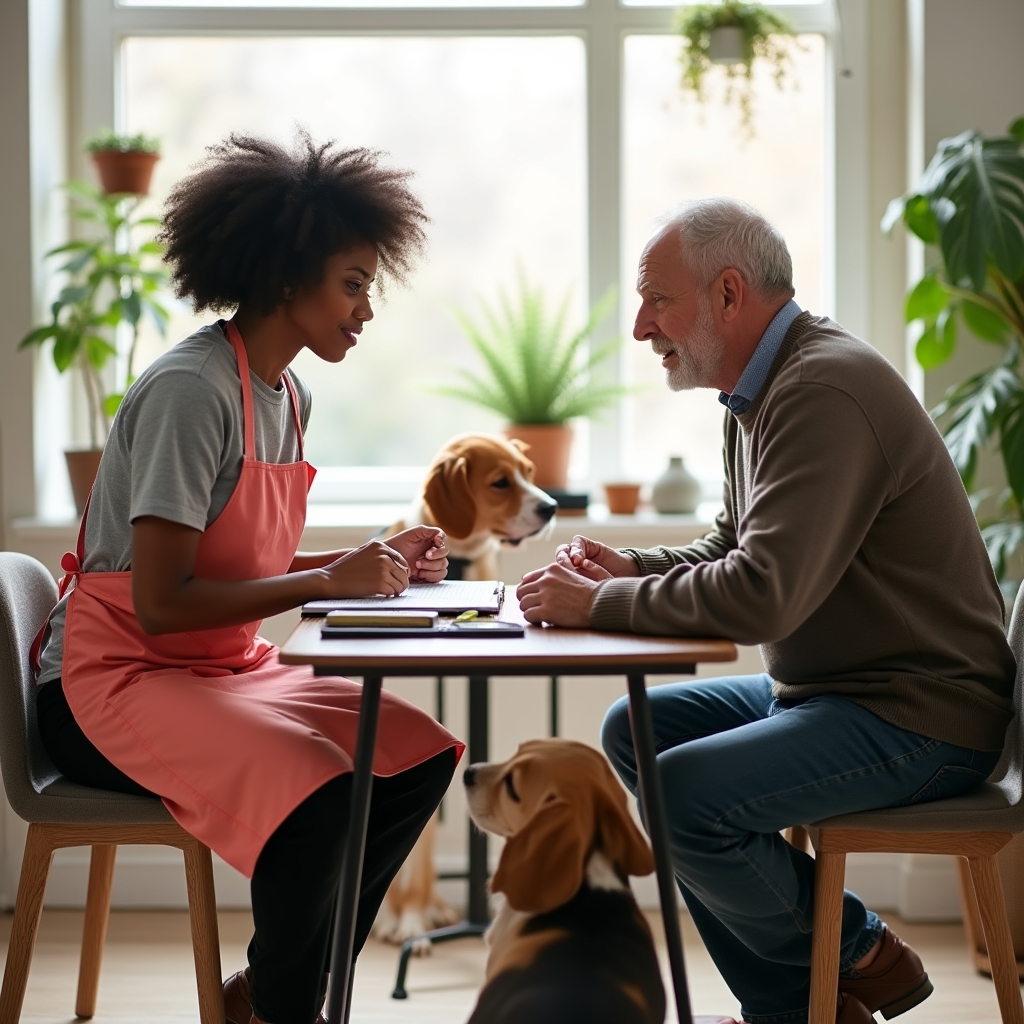
Four ideas that guide the studio
Patience over speed
Appointments are timed loosely. If a dog needs ten extra minutes to settle before nail trimming, that time is simply part of the visit rather than a deviation from it.
Consultation before contact
New clients complete an intake conversation covering temperament, medical history, and prior grooming experiences before any physical handling begins.
Comfort-first handling
Restraint is used sparingly and only as needed for safety. Positioning is adjusted continually based on how the animal is responding in the moment.
Respect for aging bodies
Older joints, thinning skin, and reduced stamina change how a groom should be approached. That awareness shapes positioning, water temperature, and session length.
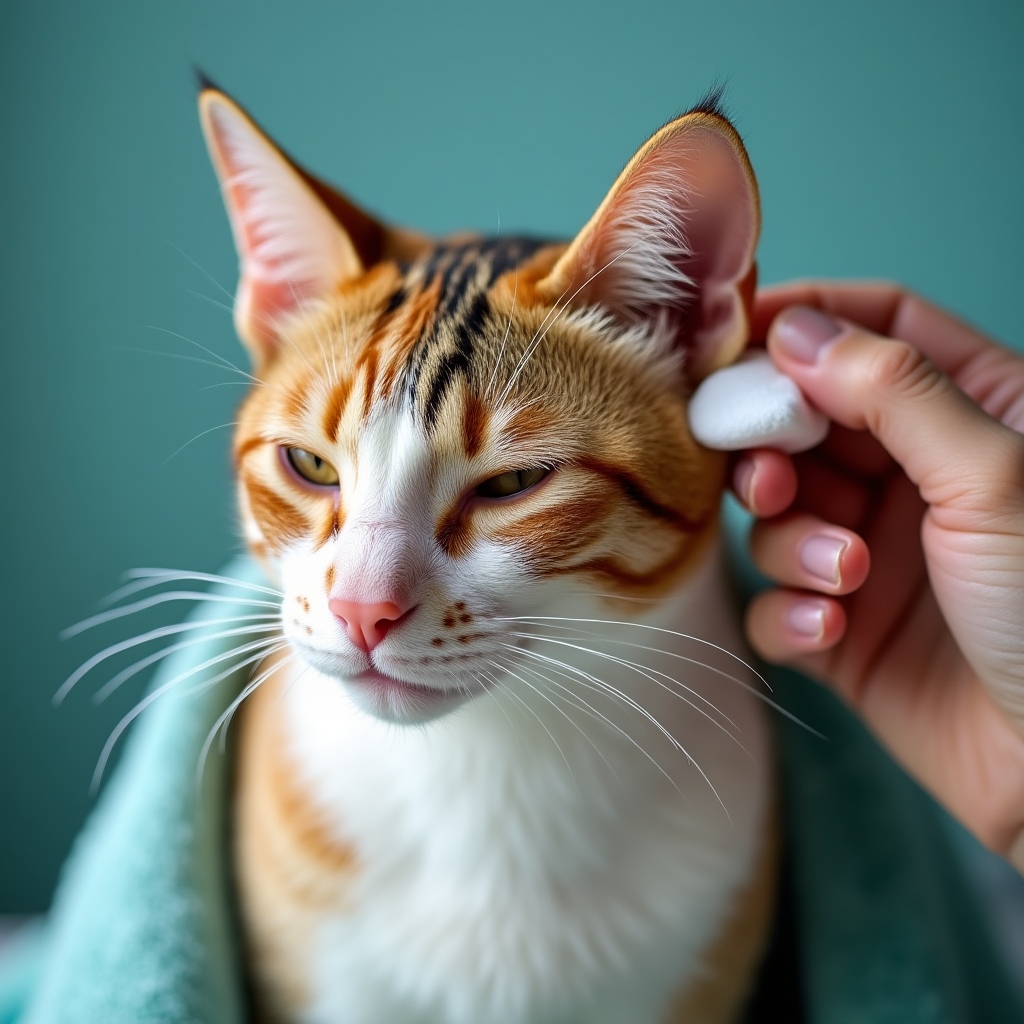
Body language guides the pace, not the clock
Groomers are trained to notice early signs of discomfort long before a bite or scratch would ever be a concern. Lip licking, a stiffened body, ears pinned back, or a tail tucked tightly against the body all signal that a pet needs a pause. When these signs appear, the session slows or stops rather than pushing through to finish a step.
This applies just as much to a nervous cat during nail trimming as it does to a senior dog standing through a blow-dry. The signals differ slightly between species, but the response is the same: acknowledge it, adjust, and continue only when the animal is ready.
Choices that reduce sensory load
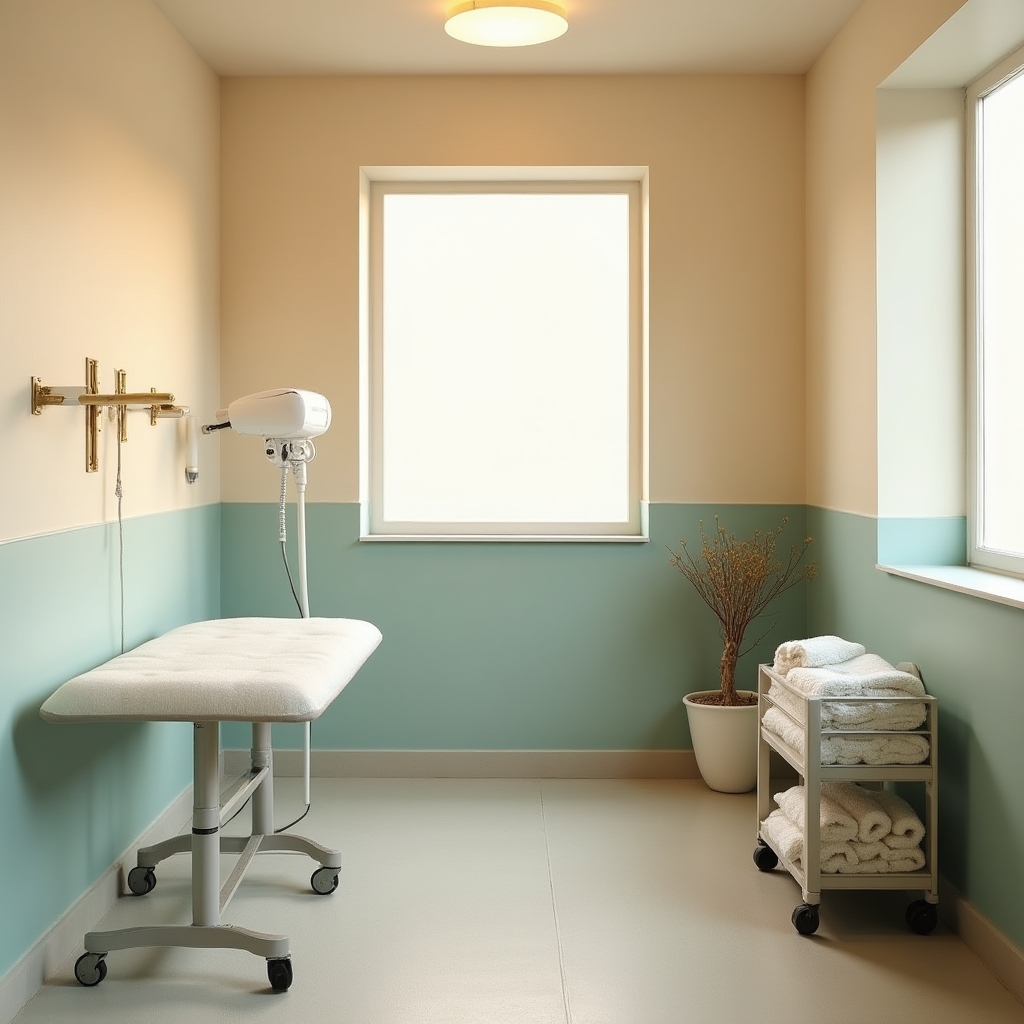
Traditional grooming shops often run several loud dryers at once, with multiple dogs waiting in close proximity. That environment alone can be enough to unsettle an anxious animal before anything else happens. Xijano Putale limits the number of pets in the studio at any given time and uses low-noise dryers with adjustable, hand-held settings instead of cage dryers.
Non-slip surfaces are used throughout the bathing and trimming areas, which matters particularly for senior pets with less secure footing. Products are chosen for a light, neutral scent rather than heavy fragrance, since a strong smell can be as unsettling to a sensitive nose as loud noise is to sensitive ears.
"A grooming session is measured by how settled the animal is at the end of it, not by how quickly it started and finished."
Xijano Putale, studio approach notesWant to know how this applies to your pet specifically?
Every animal is different. A short intake conversation helps translate these values into a plan for your dog or cat.
Get in Touch